Encaustic is an ancient medium with a contemporary voice.
About Encaustic
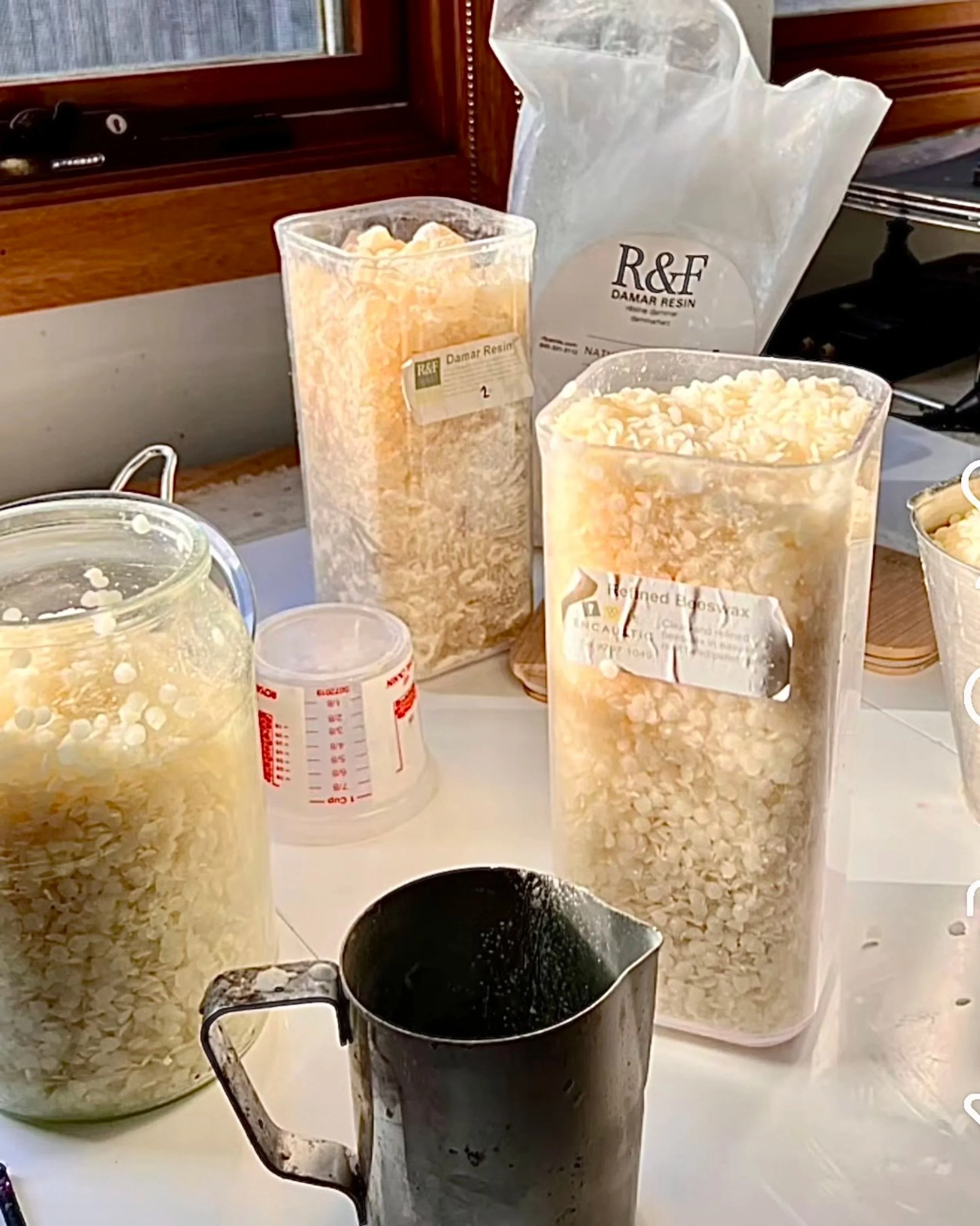
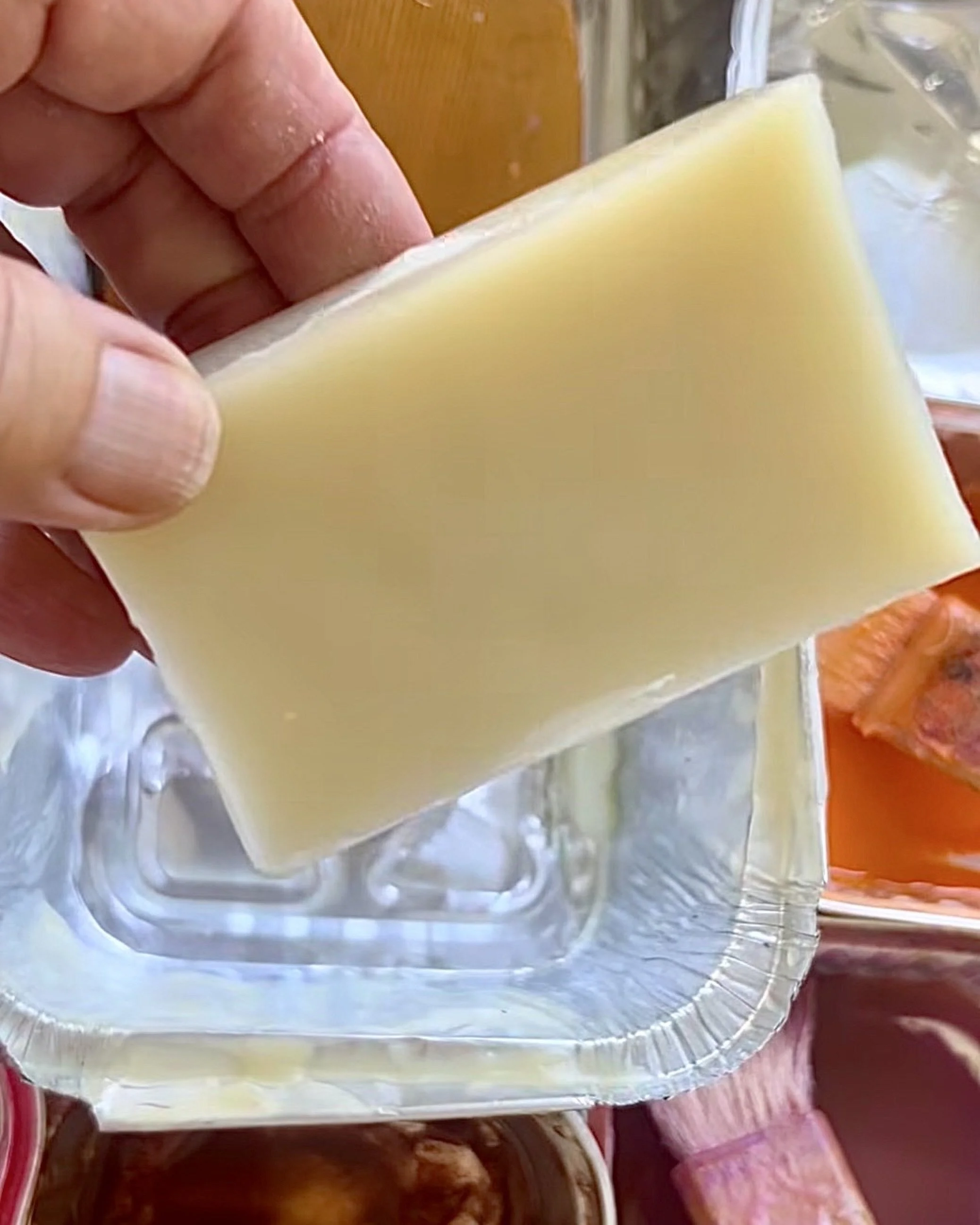
Encaustic is an ancient painting medium made from natural beeswax, damar resin (crystallised tree sap) and artist pigments. Dating back more than 2,000 years, it has experienced a strong revival in contemporary art for its unique luminosity, versatility and archival permanence.
The word encaustic comes from the Greek enkaustikos, meaning “to burn in”, referring to the process of fusing each layer with heat. Working with molten wax allows me to build richly layered surfaces that capture light, depth and texture while embracing both painting and sculptural forms.
Collectors are often surprised to learn that encaustic is remarkably durable. Beeswax naturally repels moisture and dust, while damar resin hardens the surface to create a stable, archival finish. Properly cared for, encaustic artworks will not melt under normal conditions and have been proven to endure for centuries, with examples from antiquity still preserved today.
For me, encaustic is more than a medium—it reflects a way of working. Made from natural materials and combined with sustainable studio practices, it supports a slow, layered process that aligns with my interest in the beauty, complexity and resilience of the Australian landscape.
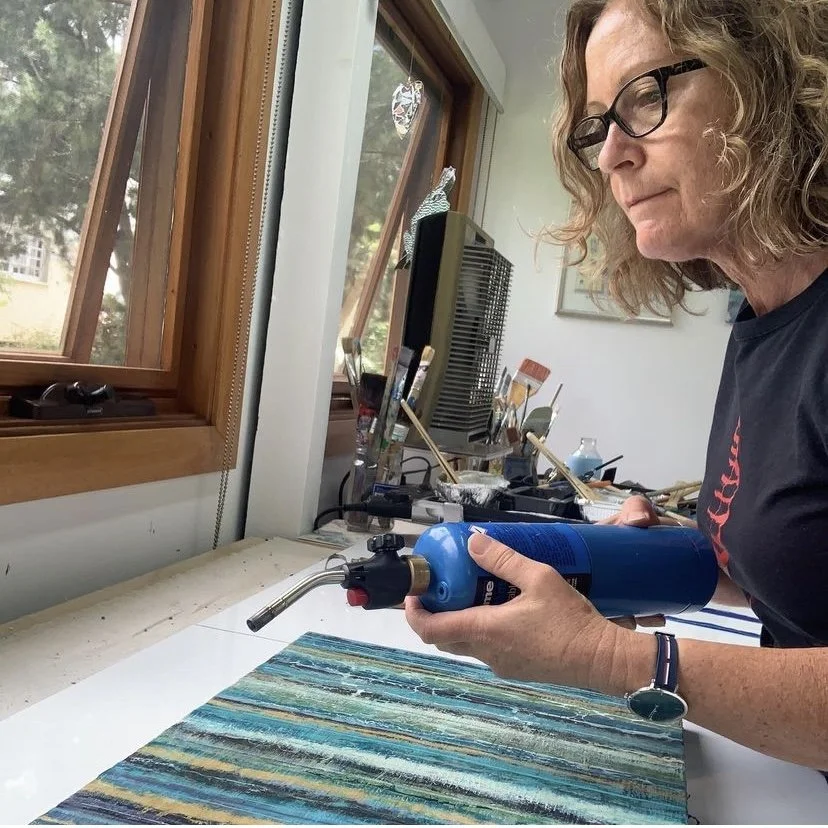
Swapping brush for blowtorch
Notable Mentions
The Fayum Portraits, 1st century BCE-3rd century CE, Roman Egypt. Painted by Greek-trained artists. Held in major collections including the British Museum and the Lourve.
Creation, Diego Rivera, 1922-23. Museo Mural Diego Rivera, Mexico City.
Flag, Jasper Johns, 1954-55. Museum of Modern Art, (MoMA), New York.
After Jack, Jenny Sages, 2012. National Portrait Gallery, Canberra.
Carly Le Cerf, Western Australian artist, currently represented by Michael Reid Gallery Sydney-Berlin